
Suppressed Emanations
Suppressed Emanations — Density suppression mutes the high-frequency healing emanations of positive nodal coordinates.
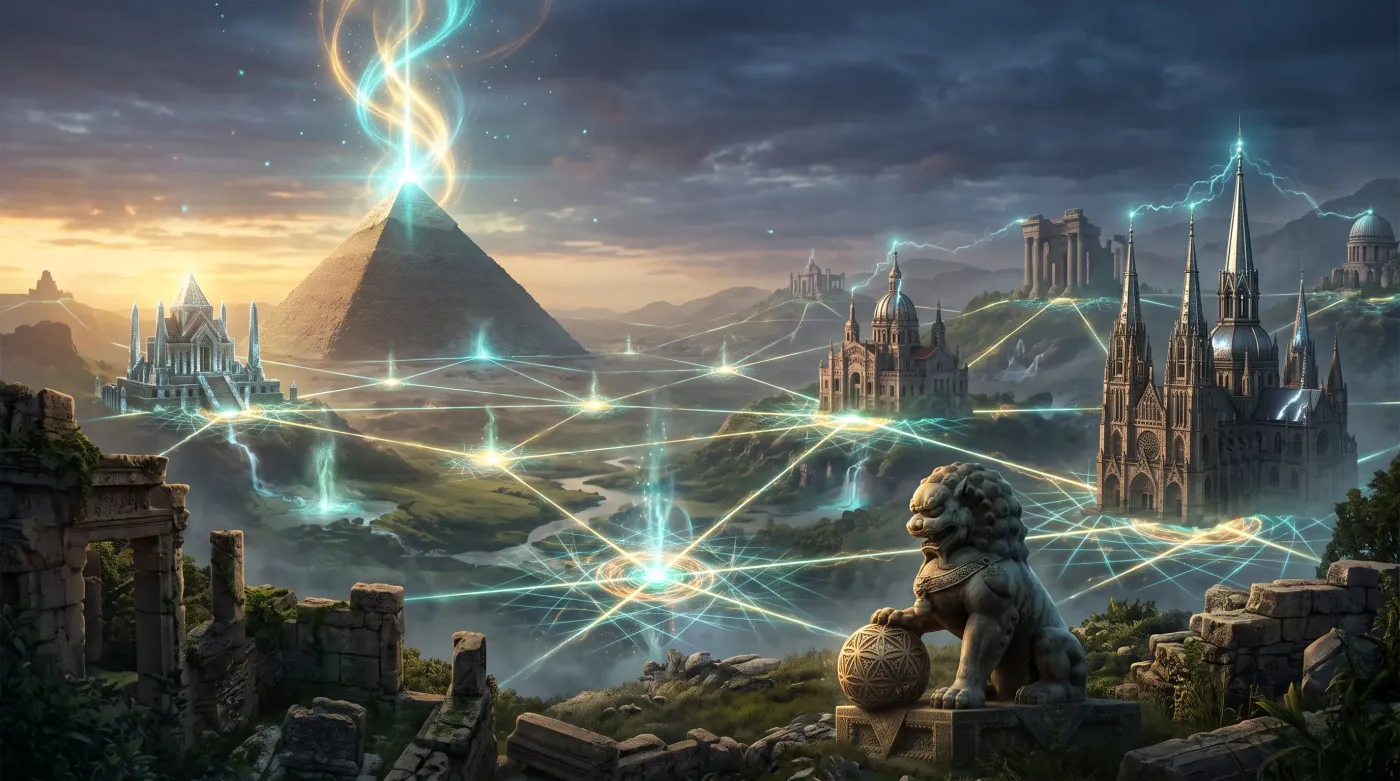
The Becker Hagens Grid is the foundational nodal lattice that maps the planetary distribution of natural aetheric energy and the coordinates where crystalline temples and Tartarian buildings harvested that current.
Test your understanding of Becker Hagens Grid — the sixty-node lattice, the Gizeh anchor, and the buildings that harvested or capped its aetheric current.
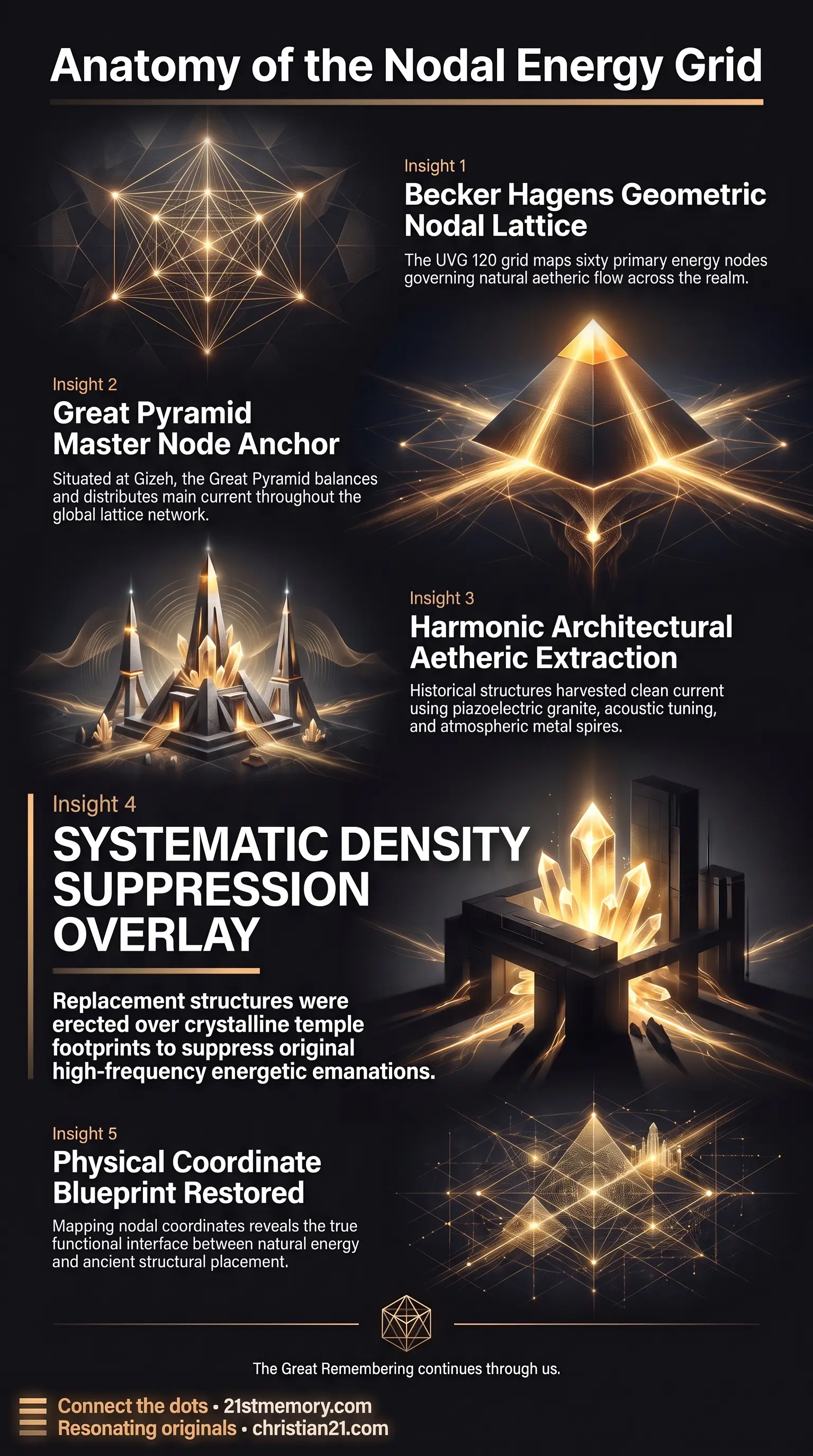
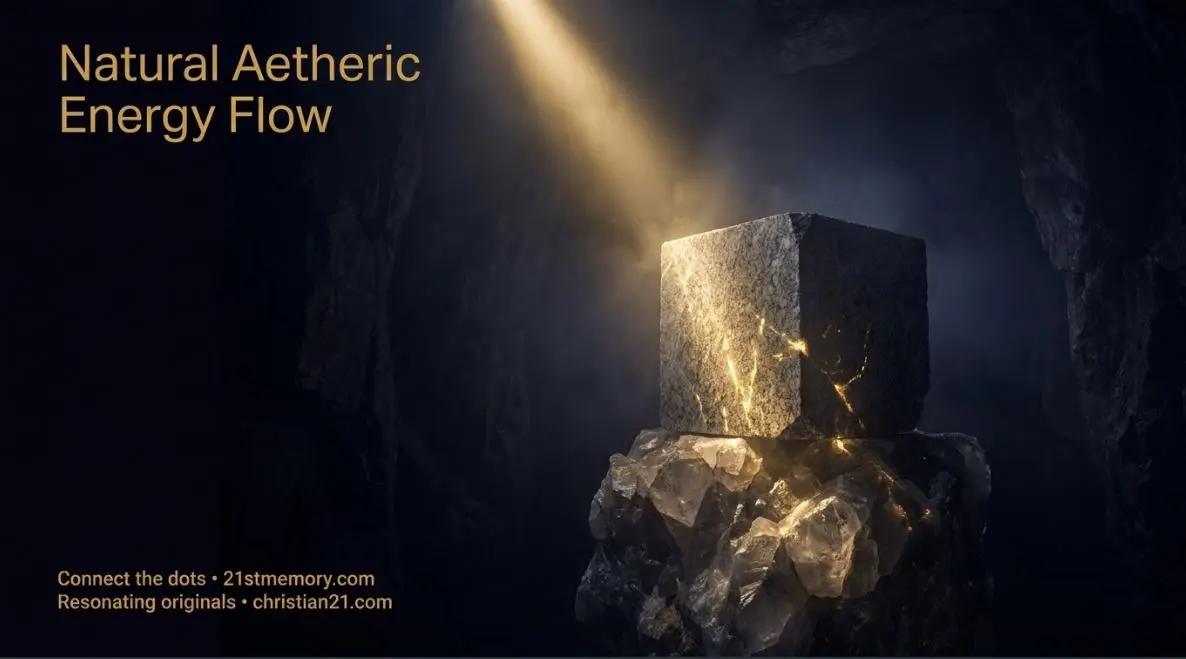
Suppressed Emanations — Density suppression mutes the high-frequency healing emanations of positive nodal coordinates.
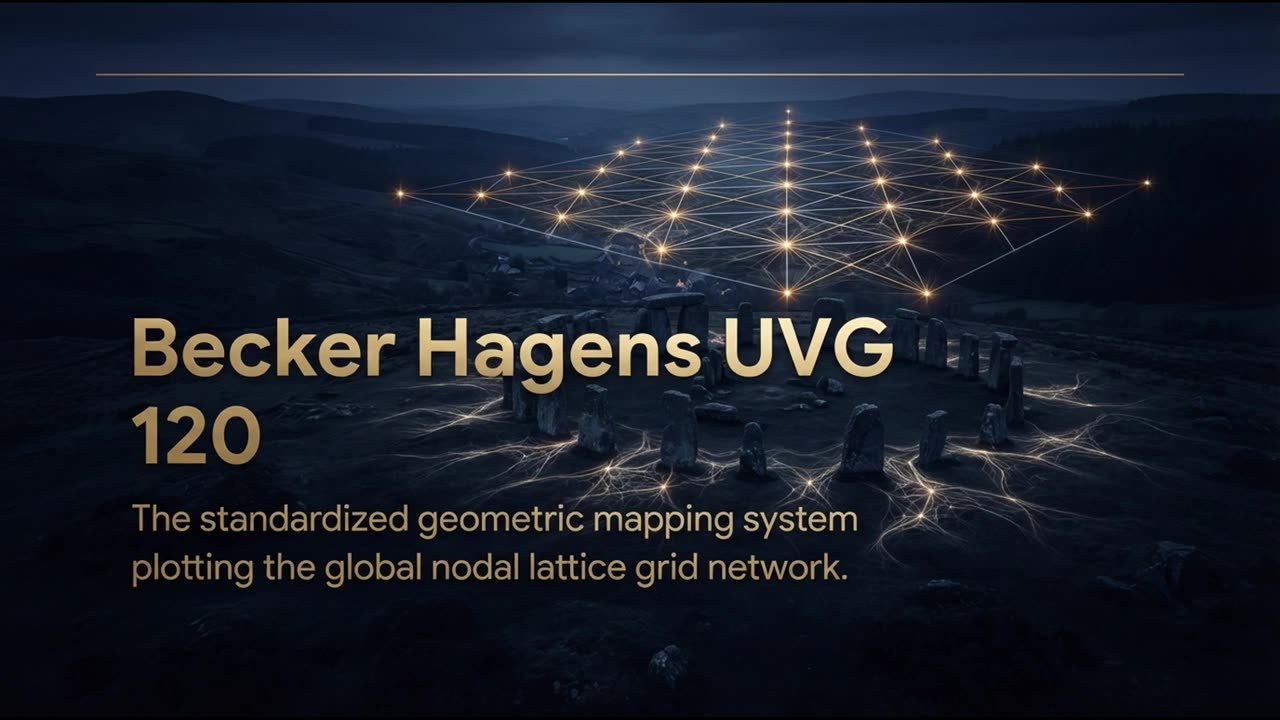
Sixty Nodes Under the Stone — Sixty main nodes, with the Great Pyramid at Gizeh as the master anchor, map the planetary lattice.
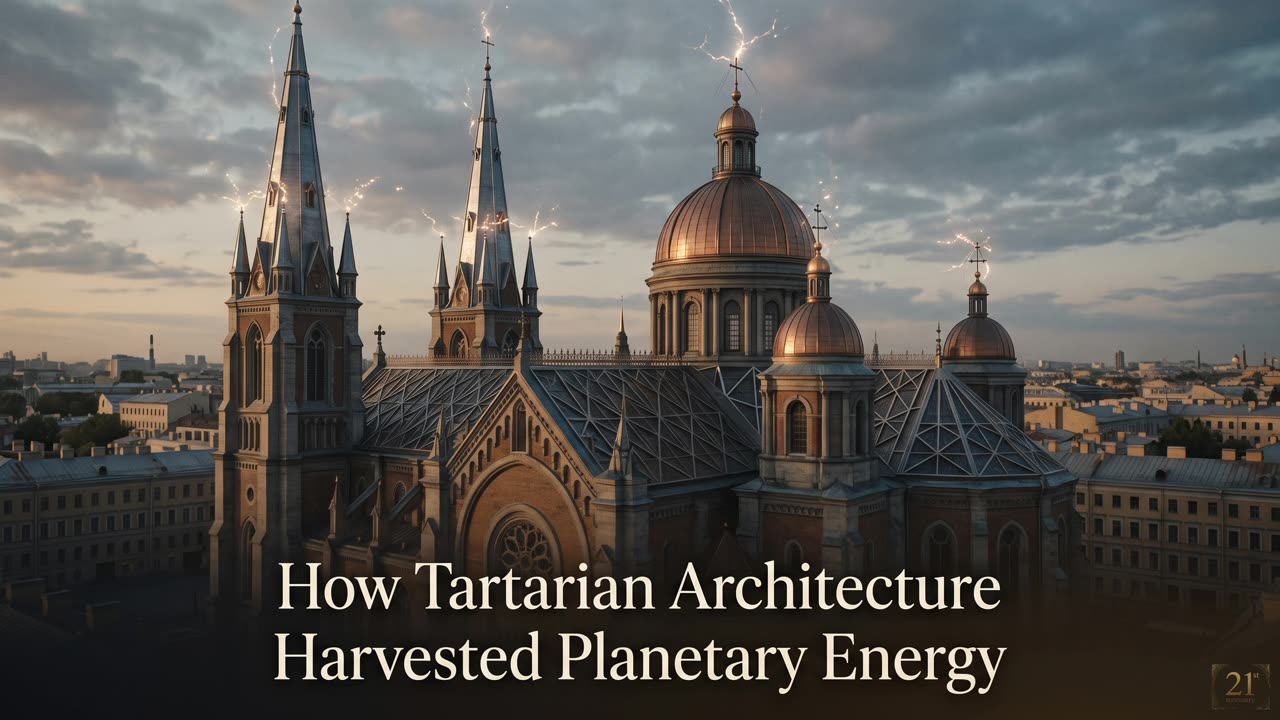
How Tartarian Architecture Harvested Planetary Energy — Tartarian buildings were grown on nodal footprints to harvest free aetheric current.
 Original transmissions →
The Becker Hagens Grid—represented fundamentally by the Becker Hagens UVG 120 map—is the foundational nodal lattice grid network that defines the planetary distribution of natural aetheric energy. It serves as the standardized geometric blueprint outlining the precise energetic geometry across the realm. This grid network constitutes the physical and energetic matrix upon which Tartarian buildings and ancient crystalline healing temples were grown to harvest free aetheric current and maintain harmonic planetary function. Operating through a precise geometric configuration of energy focal points, the grid establishes the exact GPS coordinates for major architectural and sacred sites across every continent. While modernized educational systems present the UVG 120 map as a theoretical spherical drawing, its underlying coordinate plotting accurately identifies the true, functional nodal lattice utilized by advanced historical civilisations.
The Becker Hagens Grid map accurately captures the underlying energetic reality of the physical plane, identifying exactly 60 main nodes positioned in precise geometric patterns across the world. At the center of this global matrix lies the Great Pyramid at Gizeh, which serves as the supreme primary node for the entire planetary grid. Far from being randomly distributed, every major historical structure—including every church, cathedral, pyramid, old stone ruin, and recognized sacred site—is built directly upon the specific GPS coordinates of these energetic nodes. Prior to the imposition of third-density overlays, these exact nodal coordinates were occupied by active crystalline healing temples designed to interact directly with natural water sources and subterranean springs. The existence and geometric layout of this nodal grid were systematically preserved in ancient cultural iconography. The traditional Chinese Imperial Lion, or Fu Dog, is explicitly depicted resting its paw upon a geodesic sphere carved with a clear lattice pattern. This representation serves as an enduring visual record of the planetary energy grid and its foundational role in organizing physical architecture.
The grid functions via 60 main nodes distributed across the surface of the realm in flawless geometric symmetry. These main nodes act as energetic vortices where subterranean mineral veins, natural water emanations, and aetheric currents converge. The Great Pyramid functions as the master control node, balancing and distributing energy throughout the broader nodal grid network. Secondary and tertiary grid lines extend from these sixty primary focal points, creating a localized lattice web that covers every region, city, town, and village.
Historically, elevated nodal points naturally generated high-frequency energetic fields, which were tapped by original crystalline healing temples to promote physical restoration and spiritual connection. To control the population and disrupt harmonic field resonance, parasitic control systems executed a process of density suppression over these positive locations. This process involved suppressing the visual apparency and energetic output of the original temples, followed by erecting third-density replacement structures directly on their foundational footprints. Consequently, modern institutions—such as stone cathedrals, churches, prisons, lunatic asylums, military bases, and airports—sit directly upon these original nodal coordinates to cap, redirect, or siphon the underlying natural energy.
[60 Main Grid Nodes] ──> [Natural Water & Mineral Emanations]
        │
        ├──> [Master Node: Great Pyramid (Gizeh)]
        │
        └──> [Original Crystalline Healing Temples]
                    │
                    ▼ (Targeted Density Suppression)
        [3rd-Density Replacement Footprints]
        (Cathedrals, Pyramids, Ruins, Airports, Prisons)
Tartarian construction methodology relied entirely on the energetic output of the Becker Hagens Grid. Rather than utilizing manual tools, scaffolding, or primitive masonry, buildings were harmonically grown on nodal footprints using sound levitation technology, solfeggio scales, and piezoelectric granite. Aetheric Coupling: Metallic spires, roof rods, and internal copper or iron circuitry were aligned precisely with grid coordinates to harvest free aetheric current directly from the atmosphere. Frequency Tuning: Structures operated at a natural 432Hz harmonic frequency, using internal acoustic components such as massive pipe organs to resonate with the node's natural output. Architectural Styles: Distinct visual styles—including Beaux-Arts, Edwardian Baroque, Neo-Renaissance, Neo-Romanesque, and Indo-Saracenic—represented regional Tartarian cultural expressions of the same underlying grid-interactive technology.
The Becker Hagens Grid represents the physical interface between planetary geometry and harmonic construction. While Harmonic Architecture defines the specific acoustic and material techniques used to build structures, the grid supplies the essential GPS coordinates and raw aetheric current required for those structures to function. The grid connects natural environmental features directly to technological application. Natural springs and hydrothermal mineral veins mark the surface expressions of grid lines, explaining why ancient settlements and high-density stone complexes consistently cluster around specific aquatic emanations. Furthermore, the systematic conversion of grid-interactive acoustic systems from the natural 432Hz tuning to the disharmonic 440Hz frequency ("Devils Interval") demonstrates how physical grid architecture was severed from human consciousness during recent historical resets.
Understanding the Becker Hagens Grid dismantles false historical narratives regarding ancient architecture, construction capabilities, and urban planning. Recognizing that global monuments sit on precise mathematical nodes demonstrates that ancient structures were built as interconnected components of a functional global power grid rather than isolated decorative or religious sites. Furthermore, identifying the nodal placement of modern municipal and religious buildings exposes the ongoing mechanics of field control and frequency management. By mapping the Becker Hagens UVG 120 network, the true relationship between natural planetary energy, pre-reset technology, and architectural placement is fully restored, revealing the underlying structural engineering of the realm.
This topic is free to share. Support the archive →